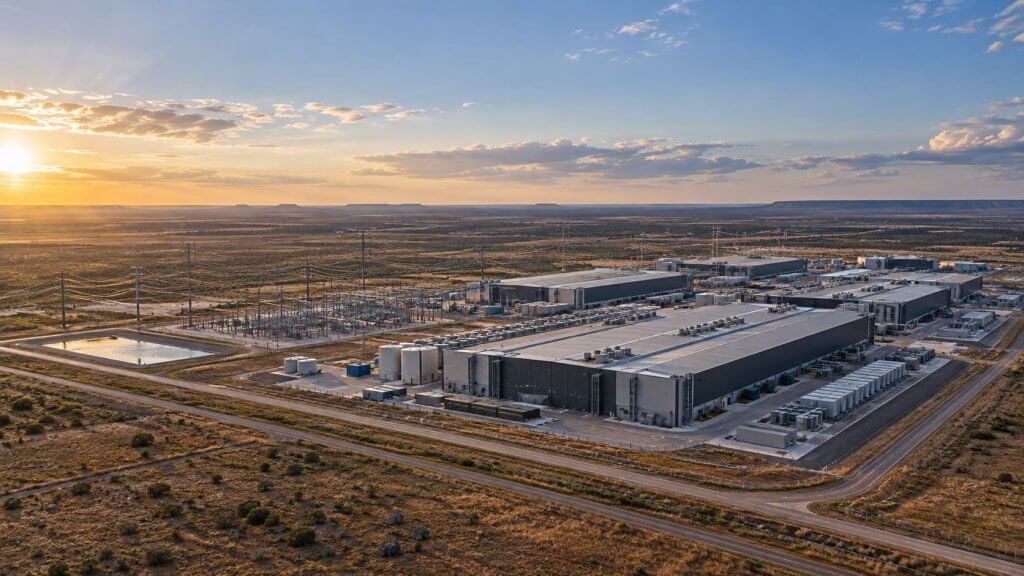
Nearshoring is accelerating investment between Mexico and Texas as companies seek to shorten supply chains, reduce geopolitical risk, and improve speed-to-market across North America. Texas consistently ranks as the top state for foreign direct investment (FDI) and has been the leading state for FDI over the past two decades, reflecting sustained global investor confidence in its market stability and infrastructure strength.
As global manufacturers rethink sourcing strategies, the Texas–Mexico corridor has emerged as one of the most strategically integrated production platforms in the world. Texas is home to more than 3,200 foreign-owned companies employing over 560,000 Texans, underscoring the scale of international business activity operating within the state’s economy. Mexican firms expanding into Texas can maintain production capabilities in Mexico while gaining closer proximity to U.S. customers, distribution hubs, and final assembly operations.
This cross-border manufacturing model enables:
With the Port of Laredo ranking as the No. 1 inland port in the United States by trade value, and Texas leading the nation in exports for more than two decades, companies benefit from unmatched cross-border connectivity. As nearshoring continues to reshape North American trade, Texas remains the natural U.S. landing point for Mexican firms seeking resilient, efficient, and scalable growth.
Mexican investment in Texas continues to grow as companies seek stronger access to U.S. customers, resilient supply chains, and a predictable, business-friendly environment. With deep trade integration, shared infrastructure, and strong cultural and economic ties, Texas has become the leading U.S. destination for Mexican companies pursuing long-term expansion.
Texas plays a central role in the U.S.–Mexico economic relationship and serves as the primary gateway for cross-border trade and investment. Mexican firms operating in manufacturing, logistics, energy, technology, and corporate services benefit from Texas’s unmatched market access, workforce scale, and operational certainty.
As the #1 global exporter in the U.S. and the #1 state for foreign direct investment, Texas continues to prove its reputation as a leader in the global economy.
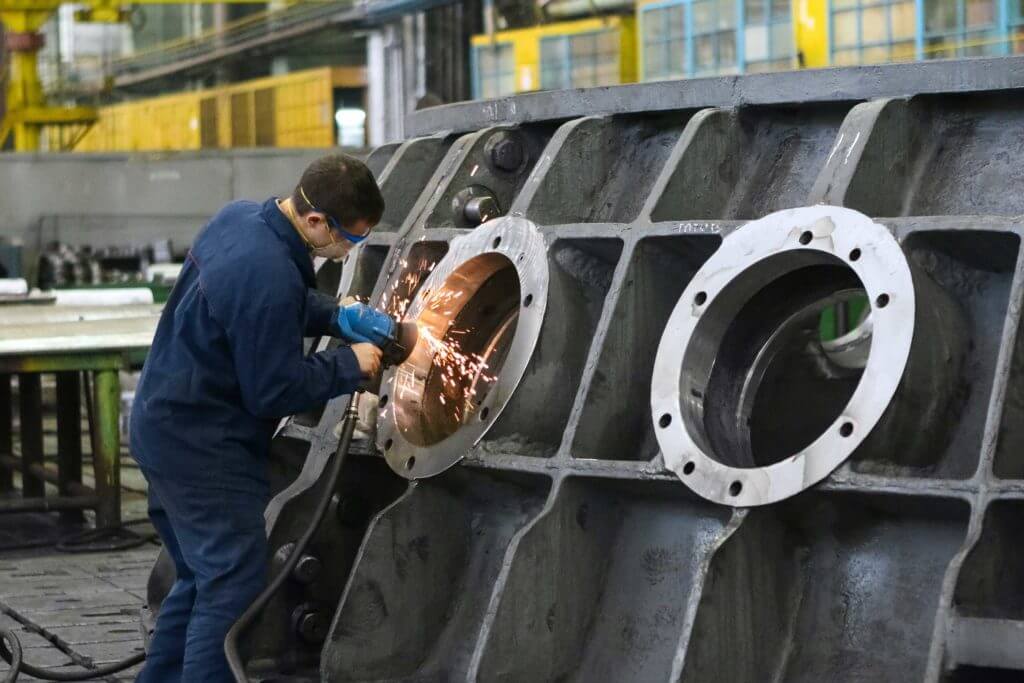

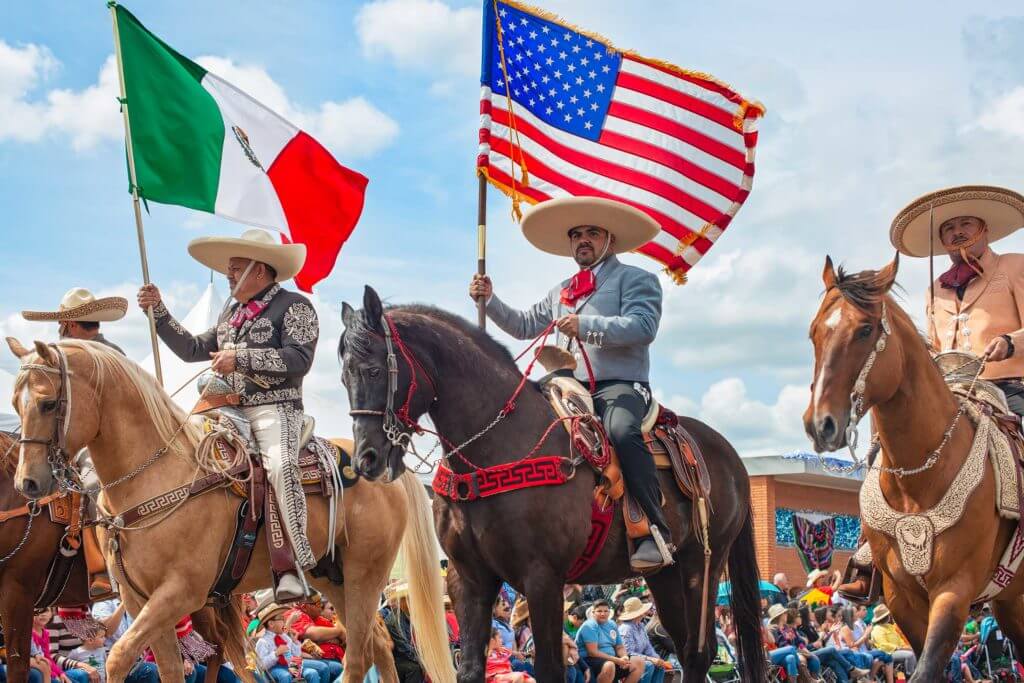
Companies based in Mexico find success designing, making and distributing goods and ideas from Texas.
Examples of Mexican companies operating in Texas include Bimbo Bakeries USA, Borden Milk Products, CEMEX Concrete Products, Elamex, Interceramic and Mrs. Baird’s Bakeries.
Shared industries between Mexico and Texas include food products, infrastructure, manufacturing and metals. Cumulative foreign direct investment between January 2011 and December 2023 included 47 projects, with $4,662 million in capital investment and 6,999 jobs created by 35 companies.
Proximity and shared industries keep the Mexico-Texas trade relationship strong and prosperous.
Texas exports to Mexico in 2023 totaled $129,509 million, including the following commodities: industrial machinery, electric machinery, mineral fuel and oil, plastics and vehicle parts. Texas imports from Mexico in 2023 totaled $142,717 million, including the following commodities: electric machinery, industrial machinery, vehicle parts, mineral fuel and oil, and technical instruments. Texas port districts that have active trade with Mexico include Dallas-Fort Worth, El Paso, Houston, Laredo and Port Arthur.
More than two dozen cities in Mexico directly connect with Texas communities, metropolitan areas and regional airports.
With Spanish spoken by 29% of the Texas population, Mexican culture is in every part of Texas life from food to education.
Annual events celebrate Mexican culture and heritage, including Charro Days Fiesta, a two-nation celebration held in Brownsville, Texas and Matamoros, Tamaulipas; Día de los Muertos in San Antonio; and MXLAN, a five-days summer music and interactive arts festival in McAllen celebrating the past, present and future of Mexico.
Academia is equally invested in advancing knowledge and celebration of Mexico. The University of Texas at Austin’s Mexico Center of LLILAS Benson is one of the foremost centers for the study of Mexico in the United States, promoting the advancement of Mexican studies through research, scholarly exchange and interdisciplinary collaborations with researchers at Mexico’s leading institutions. Programs specific to Mexican-American studies are offered by the likes of The University of Texas at El Paso and The University of Texas Rio Grande Valley.
Texas attracts Mexican companies because it combines economic scale, operating efficiency, and long-term stability.
The strong business climate in Texas is defined by predictable regulations, competitive operating costs, and a long history of supporting foreign direct investment. Texas has no state personal or corporate income tax, allowing companies to reinvest more capital into growth and hiring. According to the Governor’s Texas Economic Development and Tourism Office’s Top Texas Touts, Texas has consistently ranked as the Best State for Business by Chief Executive magazine for more than two decades and continues to lead the nation in job-creating corporate location and expansion projects.
Texas also offers unmatched market reach. Companies operating in Texas can reach more than half of the U.S. population within two days by truck, supported by the nation’s largest highway network, extensive freight rail infrastructure, and major international cargo airports. These advantages are especially important for companies moving from Mexico to Texas that rely on fast and reliable cross-border logistics.
If Texas were a country, it would rank as the world’s eighth-largest economy, producing more than 9 percent of total U.S. GDP and leading the nation in exports for more than 20 consecutive years, according to Top Texas Touts.
The Texas–Mexico economic relationship is one of the most integrated trade partnerships in the world.
Mexico is Texas’s largest trading partner. According to the Texas–Mexico trade profile published by the Governor’s Office of Economic Development and Tourism, Texas accounts for a significant share of total U.S.–Mexico trade, with annual trade flows measured in the hundreds of billions of dollars across manufacturing, automotive, electronics, energy, and consumer goods.
Texas ports of entry handle the majority of U.S.–Mexico trade by value, reinforcing the state’s role as the primary commercial bridge between the two economies. Mexican companies are also a major source of foreign direct investment. Research highlighted by Pro Texas Industry shows Texas has attracted more than $4 billion in capital investment from Mexican companies, supporting thousands of jobs statewide.
Texas infrastructure is built to support high-volume international trade and cross-border manufacturing.
The state is home to multiple top-ranked land ports of entry, including Laredo, which is the number one inland port in the United States by trade value, as documented in Top Texas Touts. Texas has 23 public ports, including major deep-water Gulf Coast ports that connect companies to global markets.
Texas maintains more freight rail miles and state highway miles than any other U.S. state, enabling efficient movement of goods between Mexico, Texas production centers, and customers across the country. International airports in Dallas–Fort Worth, Houston, Austin, and San Antonio further support executive travel, cargo movement, and talent mobility.
For companies looking to invest in Texas from Mexico, expansion typically begins with a confidential evaluation of markets, locations, and operating costs.
Through TxEDC, Mexican executives can explore foreign investment options in Texas and gain a statewide view of regions, industries, and growth opportunities. TxEDC serves as the marketing and informational gateway, helping companies connect with the Governor’s Office of Economic Development and Tourism and experienced regional partners.
Eligible projects may qualify for business incentives available in Texas, including performance-based grants, workforce training programs, and local tax incentives tied to job creation and capital investment.
Texas’s broader economic momentum strengthens the case for expansion. As outlined in Texas Dominates Business Growth: 2025 Economic Outlook and Key Drivers of Success, the state continues to lead the nation in job creation, population growth, and corporate relocations.
Mexican companies across a wide range of industries are thriving in Texas.
Manufacturers benefit from a skilled workforce, modern industrial facilities, and proximity to U.S. customers. Logistics and distribution firms leverage Texas’s border infrastructure and central geography. Energy, food processing, and consumer goods companies tap into Texas’s extensive supply chains and export capacity.
These trends explain why Mexican companies in Texas continue to expand operations, deepen supplier networks, and establish long-term U.S. headquarters across the state.
From advanced manufacturing and logistics to energy, technology, and services, Texas offers Mexican companies a powerful platform for U.S. expansion. To explore key Texas business sectors and begin confidential conversations with state partners, connect with TxEDC today.
Most companies begin with market analysis and site selection, followed by entity formation and engagement with state and local partners for permitting, workforce development, and incentive guidance.
Texas has no state corporate or personal income tax and offers sales and use tax exemptions for qualifying manufacturing and research equipment.
Yes. Incentives vary by project and may include workforce training grants, performance-based funding, and local tax programs coordinated through the Governor’s Office of Economic Development and Tourism.
Texas consistently outperforms many competitor states due to its economic scale, infrastructure strength, export leadership, workforce size, and stable regulatory environment.