The Republic of Korea consistently ranks among the top sources of foreign direct investment into Texas and is one of the state’s leading trading partners.
From Hyundai to Samsung, global major Korean companies invest inchoose the Lone Star State for its strategic access to domestic US and global international markets, skilled workforce, and cost-effective of doing business climate. Texas and South Republic of Korea and Texas share industry strengths inlike electronics and semiconductors, automotive and EV supply chains, advanced manufacturing, energy, financial services, and telecommunications.
These ties are reinforced by private investments from DongAh USA, SK Hynix, and other Korean firms. Direct flights between Seoul and Dallas-Fort Worth make business travel seamless and further strengthen commercial and personal connections.
As the #1 global exporter in the U.S. and the #1 state for foreign direct investment, Texas continues to prove its reputation as a leader in the global economy.
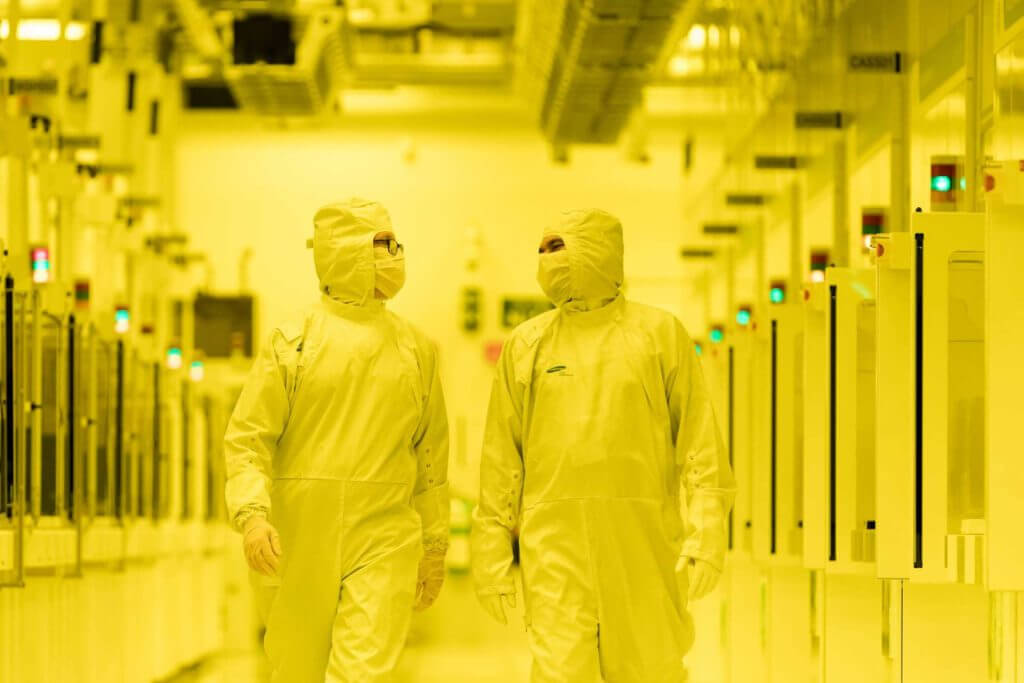
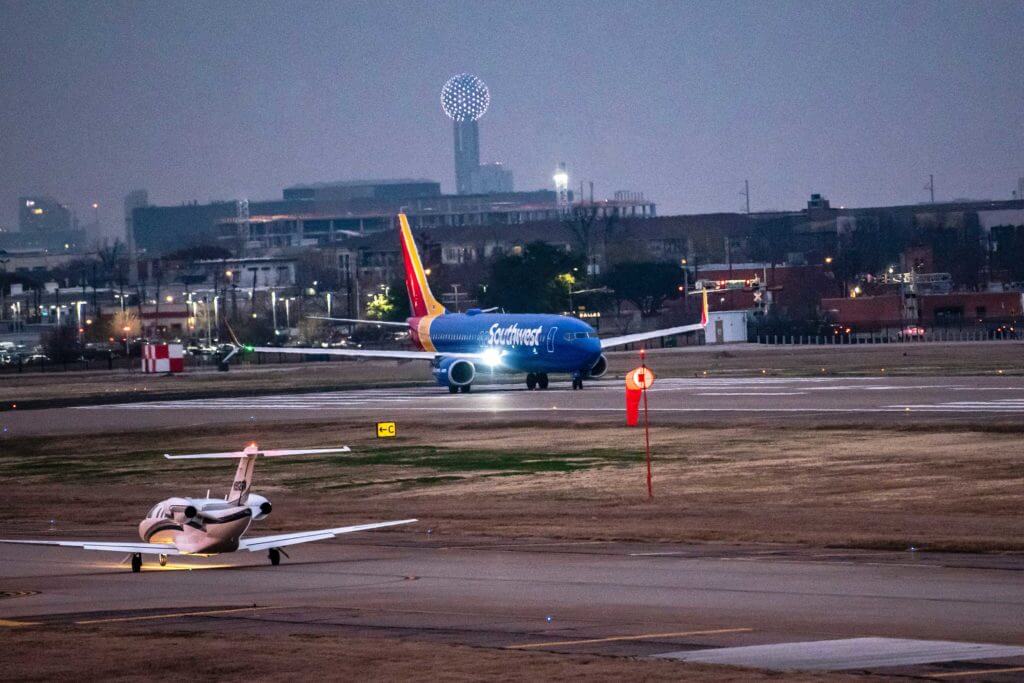
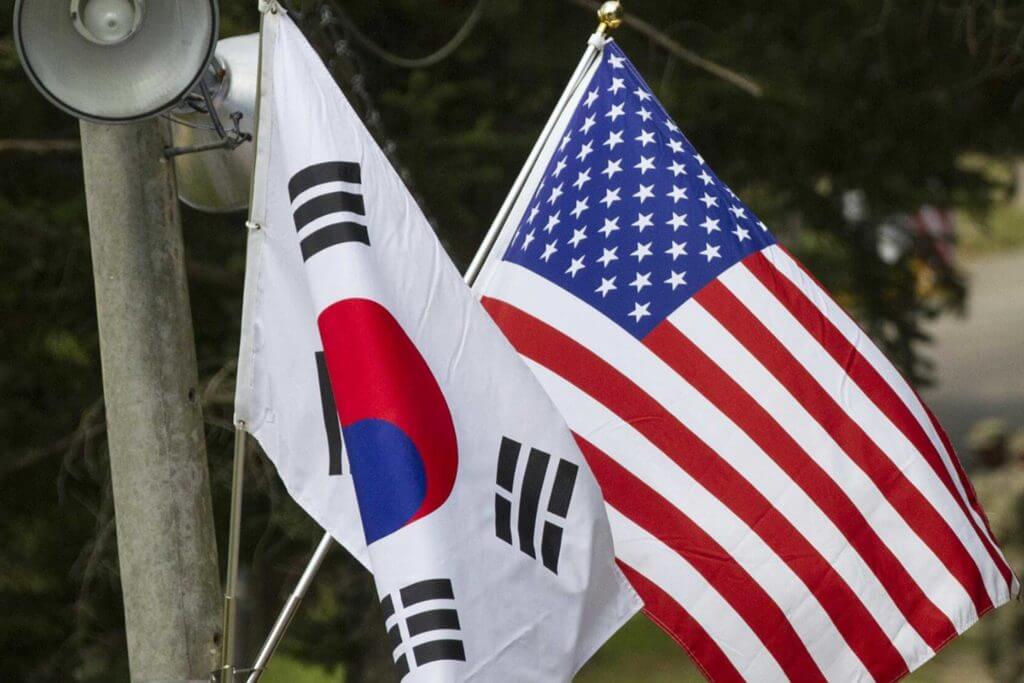
Korean investment in the Lone Star State continues to be strong and diversified.
Examples of Korean companies operating in Texas include DongAh USA, EP Energy, HF Controls, Hyundai Merchant Marine, NC Interactive, Nutribiotech USA, Parallel Petroleum, Samsung Austin Semiconductor, Samsung Electronics America, SK hynix America, VGXI.
Shared industries between Korea and Texas include electronics, energy, financial services, food products, industrial products, information technology, life sciences, manufacturing, oil and gas, telecommunications, and transportation and logistics. Cumulative foreign direct investment between January 2011 and December 2023 included 54 projects, with $26,281 million in capital investment and 10,937 jobs created by 38 companies.
The trade relationship between Texas and the Republic of Korea continues to thrive, thanks to goods including machinery, chemicals and more.
Texas exports to the Republic of Korea in 2023 totaled $21,063 million, including the following commodities: electric machinery, mineral fuel and oil, industrial machinery, organic chemicals and meat products. Texas imports from the Republic of Korea in 2023 totaled $10,699 million, including the following commodities: electric machinery, iron and steel, industrial machinery, mineral fuel and oil, and organic chemicals. Texas port districts that have active trade with the Republic of Korea include Dallas-Fort Worth, El Paso, Houston, Laredo and Port Arthur.
Direct flights to/from Seoul are offered at Dallas Fort Worth International (DFW).
Korea and Texas share cultural ties in addition to their trade relationship and shared business sectors.
Texas is home to a thriving Korean population, particularly in Dallas which is top-tier ranked in the South for the size of its Korean American community. The northwest part of Dallas is known as the Asian Trade District, characterized by a large number of Korean-owned businesses serving the city’s sizable Korean American community. This expansive shopping area includes over 20 individual shopping centers, each with unique varieties of restaurants and retailers. This area includes Dan Sung Sa Korean Bar, massive jewelry and accessories store Sam Moon, Korean King Spa & Sauna and traditional Asian foods at H-Mart.
Texas has emerged as is accelerating as a top destination for South Korean foreign direct investment in Texas, attracting global companies, particularly in semiconductors, advanced manufacturing, and EV supply chains, ready to scale in the U.S. market. Industry leaders like Hyundai, Samsung, and LG have already expanded operations here, taking advantage of Texas’s central location, mature supply chains, and business-friendly climate.
For companies eyeing U.S. growth, Texas offers fast, direct access to markets across North America. Its central geography, deepwater ports, and inland freight corridors make it easy to move products, tap new customers, and connect with regional partners. And direct flights between Seoul and Dallas‑Fort Worth keep executives, teams, and investors closely connected, supporting seamless travel, talent recruitment, and on-the-ground business development.
The Texas–South Korean economic connection keeps growing, fueled by strong trade and ongoing foreign direct investment. South Korea consistently ranks among Texas’ top trading partners, with goods and services flowing in semiconductors, vehicles, oil and gas equipment, and consumer electronics.
South Korea is the leading source of foreign direct investment in Texas by total capital investment. From 2013-2023, Korean companies invested more than $20.5 billion across 38 projects in Texas, creating more than 7,000 jobs. In just the first five months of 2024, Korean companies announced a $27.52 billion investment across 9 additional projects, expected to create 4,800 jobs. The consistent waves of investment reflect a natural alignment between Korea’s manufacturing giants and Texas’ diverse industries and thriving ecosystem for innovation in semiconductors, advanced manufacturing, energy, and automotive supply chains.
Texas aligns closely with South Korea’s priority sectors, offering world-class infrastructure, talent, and supply chains:
Korean companies ready to scale in the U.S. will find Texas’s support system built for action.
Start by tapping real-time market data and expert insights to shape your U.S. strategy, and move quickly into site selection and incentive planning with guidance from the Office of the Governor’s Texas Economic Development and Tourism Office (EDT) and regional and local economic development partners.state and local partners.
Texas offers help navigating workforce development programs, permitting pathways, and regulatory connections — all designed to streamline your launch or expansion.
To find projects, facilities, and opportunities that align with your goals, explore foreign investment availability in Texas and identify locations with the right fit for your business.
Texas offers a robust suite of incentives to support multinational expansion.
Business incentives in Texas like the Texas Enterprise Fund provide performance-based grants for companies creating significant jobs and investment. The Skills Development Fund supports customized workforce training, while programs such as JETI provide property tax appraisal limitations for qualifying projects. Local tax exemptions for manufacturing and research equipment, enterprise zone refunds, and data-center incentives can further reduce operating costs.
Korean Success Stories in Texas
The number of Korean companies doing business in Texas continues to rise.
These highlights reflect just some of the many Korean investments fueling Texas’ economic growth.
For insights into business sectors in Texas, workforce strengths, and regional dynamics, visit our comprehensive guides on Texas’ economy and competitive position.
To explore relocation opportunities, incentives, and project-specific guidance in Texas, connect with the Office of the Governor’s Texas Economic Development and Tourism Office (EDT).
And to learn how your organization can partner with TxEDC in marketing Texas as a destination for business growth and investment, visit our Investor Page.
Initiating a presence typically begins with market assessment, site selection, and engagement with state and local partners who guide permitting, workforce planning and incentive applications.
Incentives range from tax abatements and workforce training grants to capital investment credits, tailored by region and industry.
Texas consistently ranks as the top U.S. state for export capacity, Foreign Direct Investment track record, energy infrastructure, shipping proximity, and regulatory stability, making it a preferred choice versus many coastal and mid‑western alternatives.
North Texas and the Greater Austin area are hubs for tech and semiconductors, while Houston’s energy cluster and the Gulf Coast logistics corridor support heavy industry and global trade.