In 2023, total trade between Texas and Japan reached $31.2 billion, making Japan Texas’ fifth-largest trading partner. Texas has become a leading destination for foreign direct investment (FDI) from Japan, supported by strong trade ties and a favorable business environment.
Over the past decade, Japanese companies have launched 129 investment projects, contributing $10.9 billion in capital investment and creating more than 20,000 jobs across the state. Today, there are more than 400 Japanese companies in Texas and many more companies moving from Japan to Texas—reinforcing the Lone Star State’s status as a top location for foreign direct investment (FDI).
Japanese companies choose Texas because it offers development-ready infrastructure, workforce availability, and a business environment that can help companies manage the cost of doing business while supporting predictable project timelines and long-term growth.
Texas offers large, development-ready sites, multimodal logistics networks, and global connectivity through major ports and international airports. For Japanese manufacturers, these advantages can support more predictable build timelines, stronger supply chain access, and greater flexibility when scaling operations in North America.
The current Texas business climate supports faster project execution through streamlined permitting, coordinated local and state engagement, and strong construction capacity. This reduces delays and allows companies to move from site selection to operations more efficiently than in many other U.S. markets.
With universities, technical programs, and industry-aligned training, Texas has a deep talent pool that helps companies scale quickly across advanced manufacturing, engineering, and digital operations—key for companies looking to invest in Texas from Japan.
Texas business incentives are often tied to job creation, capital investment, and long-term operational commitments. For Japanese companies, these programs can help reduce project costs, support expansion plans, and strengthen the business case for long-term investment in Texas.
As the No. 1 state for foreign direct investment, Texas continues to prove its reputation on the global stage. For this reason, more than 400 Japanese companies choose to Go Big in Texas.
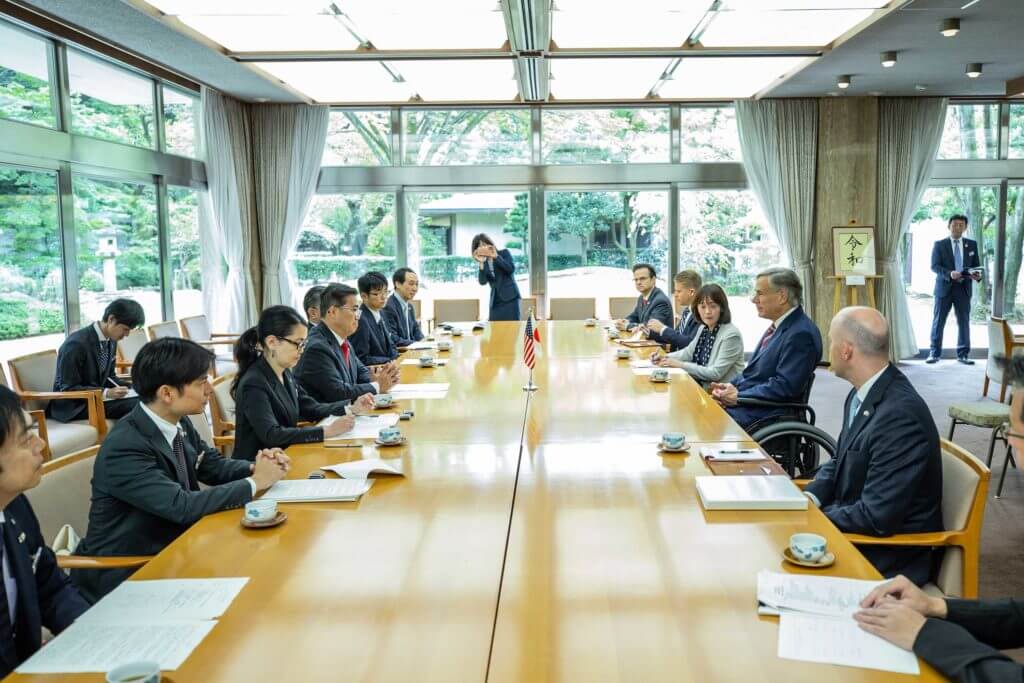
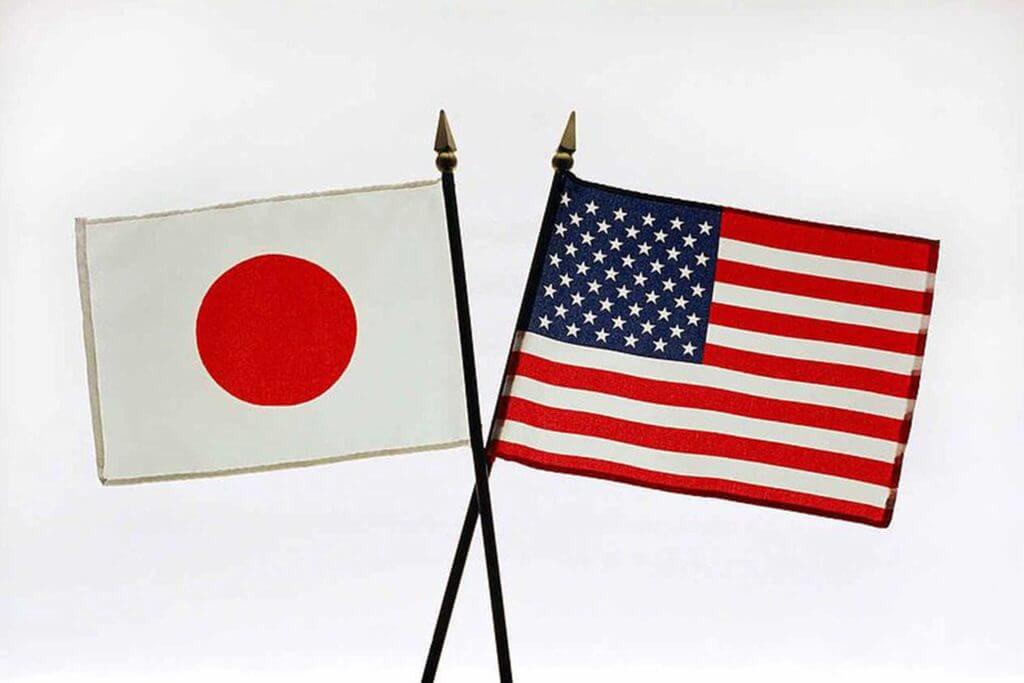
With over 400 Japanese companies operating in Texas, it’s clear that these two regions continue to hold a strong economic partnership.
Examples of Japanese companies operating in Texas include Goodman Global, Kubota Tractor, Mitsubishi Heavy Industries, NEC Corporation of America, Nissei Plastic Machinery America, NTT DATA Enterprise Services, OKI Data Americas, Tokyo Electron America, Toppan Photomasks, Toshiba International, Toyota Motor Manufacturing and Toyota Motor North America. Shared industries between Japan and Texas include automotive, electronics, financial services, industrial equipment, information technology, manufacturing and telecommunications. Cumulative foreign direct investment from January 2011 – December 2023 included 151 projects, with $12,599 million in capital investment and 23,095 jobs created by 117 companies.
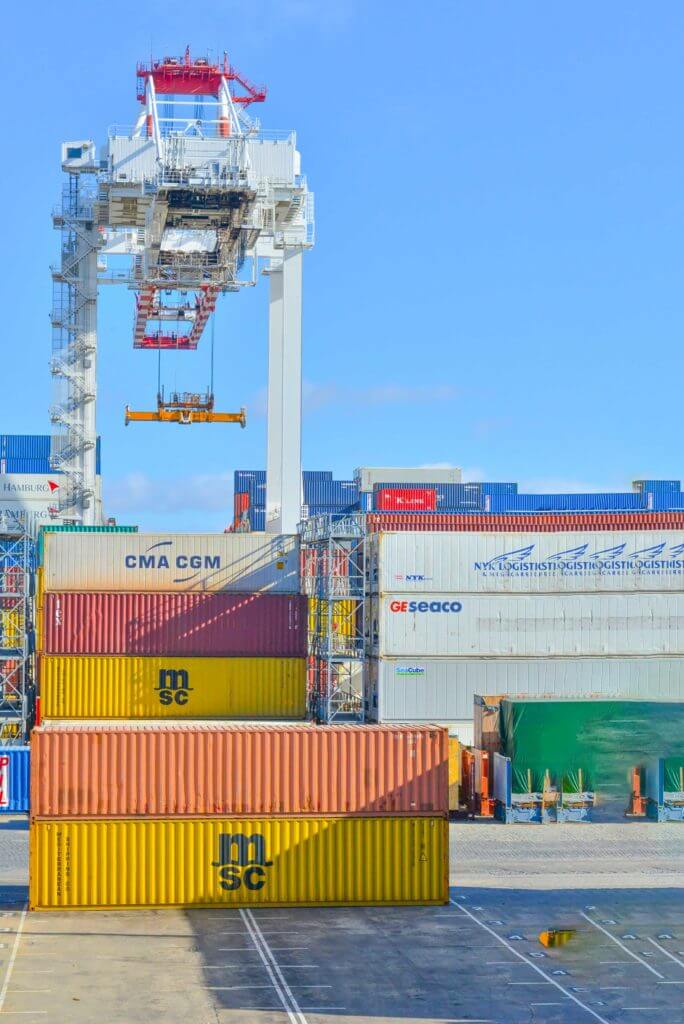
The trade relationship between Texas and Japan continues to thrive, thanks to goods including industrial machinery, auto parts and more.
Texas exports to Japan in 2023 totaled $13,445 million, including the following commodities: mineral fuel, oil, organic chemicals, industrial machinery, electric machinery, aircraft, spacecraft and parts. Texas imports from Japan in 2023 totaled $18,033 million, including the following commodities: industrial machinery, electric machinery, vehicles, parts, clocks, watches and organic chemicals. Texas port districts that have active trade with Japan include Dallas-Fort Worth, El Paso, Houston, Laredo and Port Arthur. Direct flights to/from Tokyo are offered at Dallas Fort Worth International (DFW) and Houston George Bush Intercontinental (IAH).
Japan and Texas share cultural ties in addition to their trade relationship and shared business sectors.
With 40,000 Japanese American residents, Texas is home to 15 sister cities that promote cultural and economic ties with Japan, including Austin, Houston and San Antonio. These sister cities function as an international link between businesses in Japan and Texas in order to facilitate growth, communication, education and awareness in each city. Also fostering these ties is the National Association of Japan-America Societies, which provides educational, cultural and business programs about Japan and has a presence in several Texas cities.
In addition, Japanese expats in Texas can continue their children’s K-12 education seamlessly thanks to several programs in key cities throughout the state. For example, the Japanese Language Supplementary School in Houston uses the Japanese school year calendar and teaches courses in the Japanese language, including calligraphy, social studies, science, and mathematics.
Texas business incentives are often tied to job creation, capital investment, and long-term operational commitments. For Japanese companies, these programs can help reduce project costs, support expansion plans, and strengthen the business case for long-term investment in Texas.
Japan is the #1 source of jobs created by FDI in Texas and a top source of capital investment.
Their relationship spans industries including automotive, electronics, energy, and industrial equipment. Major companies such as Toyota, Mitsubishi Heavy Industries, and Kubota have established significant operations in Texas, demonstrating how Japanese firms can scale effectively in the U.S. market.
Texas offers strong alignment with Japan’s core industries, making it a natural fit for expansion. Key industries for Japanese expansion in Texas include:
These opportunities are supported by diverse business sectors in Texas that allow companies to integrate into established ecosystems and customer networks.
Texas offers companies a clear pathway to scale operations and access the broader U.S. market. Texas economic strength, infrastructure, and talent support both immediate growth and long-term success.
The Texas Economic Development Corporation (TxEDC) promotes Texas globally and helps companies connect with the right state and regional partners. For project-specific guidance—including site selection, incentives, and expansion planning—organizations should work directly with The Office of the Governor’s Texas Economic Development & Tourism Office.
To explore foreign investment opportunities in Texas and begin your expansion strategy, contact TxEDC today.
Companies should begin by forming a U.S. entity, selecting a site aligned with their industry, and engaging with state and regional partners to coordinate expansion.
Texas offers a competitive structure, including no state personal income tax and a predictable regulatory environment that supports long-term investment.
Texas stands out for its scale, infrastructure, workforce, and cost advantages, making it one of the top destinations for companies moving from Japan to Texas.
Japanese companies invest in Texas for its skilled workforce, strategic location, robust infrastructure, and business-friendly environment. With strong trade ties, access to major North American markets, and a track record of Japanese investment across multiple industries, Texas offers a strong foundation for long-term growth and expansion.