Texas vs. Florida: Which State Is Better for Companies to Relocate
Texas and Florida consistently rank among the most competitive destinations for business expansion and relocation, driven by population growth, business investment, and economic performance. In fact, both states were recently recognized among the top U.S. states for economic momentum, reflecting their ability to attract talent, capital, and corporate growth. But for executives evaluating a move, the decision isn’t simply about headline rankings or tax advantages. It’s about how a new location will affect hiring, expansion timelines, operating costs, and long-term scalability.
When comparing Texas vs. Florida for business relocation, companies need to understand what changes after the move is complete. From workforce availability and infrastructure access to speed to market and operational flexibility, the differences between these two high-growth states can have a significant impact on business performance.
Here are five practical factors companies should evaluate when comparing Texas and Florida.
#1 Taxes
A common starting point in the Texas vs. Florida taxes for businesses conversation is the fact that both states avoid personal income taxes. But that’s only the beginning.
When comparing the cost of doing business in Texas vs. Florida, companies should model effective tax burden over time, including how each structure impacts reinvestment and expansion.
Texas relies primarily on a franchise tax system tied to business margins, while Florida applies a corporate income tax structure for certain businesses. Executives need to consider how these systems affect profits, investment strategies, and long-term growth.
#2 Workforce and Growth Capacity
Both states are experiencing strong population growth, but workforce scale and talent availability can vary by metro area and industry.
Texas benefits from large, diverse labor markets in cities like Dallas-Fort Worth, Houston, Austin, and San Antonio, which provide deep talent pools in engineering, manufacturing, operations, and corporate services. Florida’s workforce growth is strong as well, particularly in tourism, hospitality, and financial services sectors concentrated in areas like Miami, Tampa, and Orlando.
#3 Speed to Market
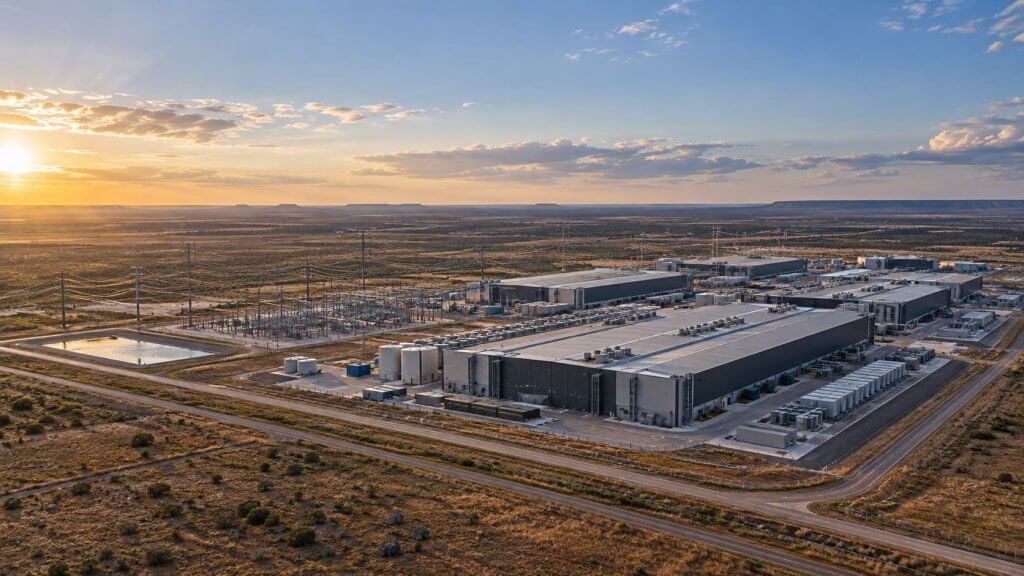
The Texas business climate is booming, as the state has extensive available land for industrial development and large-scale facilities, supporting faster site development timelines in many regions. Its major metros also maintain active industrial real estate pipelines designed to accommodate rapid business growth.
Florida’s coastal geography and higher development density in certain metros can sometimes create tighter real estate conditions for large industrial projects.
For companies considering relocating to Texas, these differences in real estate availability and development timelines can influence the speed of building, hiring, and operation commencement—all of which impact a relocation project’s return on investment.
#4 Infrastructure and Continuity Risk
Infrastructure reliability and logistics access are critical components of the Texas vs. Florida cost of doing business analysis.
Texas benefits from an extensive transportation network that includes major interstate corridors, rail systems, global ports, and large cargo airports. The state’s energy sector also provides significant electricity generation capacity to support energy-intensive industries such as:
- Energy
- Tech
- Advanced manufacturing
- Aerospace
- Life sciences
- Transportation & Logistics
- Food & livestock products
- Petroleum refining and chemicals
- Hospitality and tourism
- Rare earth and mineral mining
- Corporate services
Florida, on the other hand, offers strong international trade connections through its seaports and global tourism infrastructure but operates within a more geographically constrained peninsula.
#5 Incentives and Support
The Texas taxes and incentives framework features well-established support for capital investment, workforce training, and infrastructure development. The Lone Star State also offers workforce training initiatives and infrastructure investments that can bolster large-scale business expansions.
Florida has a range of performance-based incentives designed to attract companies that create jobs or make major capital investments. Many of these programs provide tax refunds, credits, or grants tied directly to job creation and capital spending, meaning businesses receive incentives only after meeting agreed-upon performance benchmarks.
The Bottom Line
hen comparing Texas vs. Florida for business relocation, the biggest differences come down to workforce scale, industry diversity, infrastructure access, and long-term operational flexibility.
Florida continues to attract companies in tourism, hospitality, financial services, and global trade. Texas, meanwhile, offers a broader industry base, large labor markets, and infrastructure systems designed to support high-growth sectors like energy, manufacturing, logistics, and technology. The state is also strengthening its position in financial services, with cities like Dallas attracting investment firms, financial institutions, and corporate headquarters as part of Texas’ rise as a major U.S. financial hub. For companies evaluating long-term growth, that diversification can provide access to a wider range of customers, talent, and industry ecosystems.
Is It Time to Relocate Your Business to Texas?
Companies exploring business relocation opportunities in Texas can access market data, site selection support, and connections to the Office of the Governor’s Texas Economic Development & Tourism Office through the Texas Economic Development Corporation (TxEDC).
Connect with the TxEDC team to evaluate opportunities aligned with your company’s growth strategy, operational priorities, and long-term expansion goals.