How Does Texas’s Infrastructure and Logistics Benefit Businesses?
Texas operates one of the most extensive and globally connected infrastructure networks in the United States. Reliable transportation and logistics systems allow businesses to move goods efficiently, reach new markets, and maintain resilient supply chains. For companies evaluating expansion or relocation, infrastructure reliability often plays a central role in long-term operational planning.
Texas offers multimodal access by air, rail, road, and sea, supported by continued public investment in transportation and trade infrastructure. This connectivity strengthens business competitiveness across all regions of the state and supports industries ranging from advanced manufacturing and energy to technology and logistics.
Texas has led the nation in exports for more than two decades and accounts for more than 22 percent of all U.S. exports, according to the Top Texas Touts economic report. The state also operates more Foreign Trade Zones than any other state, helping companies reduce costs and streamline global trade operations.
These logistics advantages reinforce the broader Texas business climate that continues to attract global investment. Many of the world’s largest transportation and distribution companies operate major hubs in Texas, including Amazon, American Airlines, BNSF Railway, FedEx, Southwest Airlines, Union Pacific, and UPS.
Unmatched Multimodal Connectivity for Domestic and Global Commerce
Texas provides businesses with integrated access to air, road, rail, and maritime transportation networks. This multimodal system allows companies to move goods quickly across North America and connect efficiently to global markets.
Air Connectivity That Reaches Global Markets
Texas has nearly 400 airports, including 26 commercial service airports, creating one of the largest aviation networks in the United States.
Dallas Fort Worth International Airport offers the most domestic destinations of any U.S. airport and serves as a major international cargo hub. Houston’s George Bush Intercontinental Airport provides additional global connectivity, supporting both passenger travel and international freight operations.
Together, these airports provide direct connections to major domestic and international markets, helping businesses move goods and personnel efficiently.
A Highway Network Built for National Distribution
Texas maintains more than 313,000 miles of public roads, the largest highway network of any U.S. state, according to the Texas Department of Transportation. This infrastructure allows businesses to reach a majority of the U.S. population within two days by truck.
Major interstate corridors and freight highways connect Texas production centers to distribution hubs across the country. These routes also support efficient cross-border logistics with Mexico, Texas’s largest international trading partner.
Freight Rail That Supports Heavy Industry
Texas leads the nation in freight rail infrastructure, with more than 10,000 miles of freight rail track. Rail networks support large-scale industrial sectors such as petrochemicals, agriculture, energy, and advanced manufacturing. Freight rail provides a cost-efficient transportation option for high-volume shipments moving across North America.
Seaports That Connect Texas to Global Trade
Texas also benefits from a powerful maritime and cross-border trade network. The state is home to 23 seaports, including 12 deep-water ports. These ports serve as critical gateways for international commerce, supporting the movement of energy products, manufactured goods, agricultural commodities, and containerized cargo to markets around the world.
Two of the most significant hubs are Port Houston, which leads the nation in waterborne foreign trade, and the Port of Laredo, the number one inland port in the United States by trade value and a key gateway for U.S.–Mexico commerce. Together, these ports play a central role in North American supply chains, supporting nearshoring strategies and enabling companies operating in Texas to move goods efficiently between production centers in Mexico and customers across the United States and global markets.
A Skilled Workforce That Powers the Supply Chain
Infrastructure alone does not create a logistics advantage. A skilled workforce is equally important.
Texas employs approximately 2 million workers in transportation and logistics, according to the U.S. Bureau of Labor Statistics. Transportation and material moving occupations represent nearly 29 percent of the sector’s workforce.
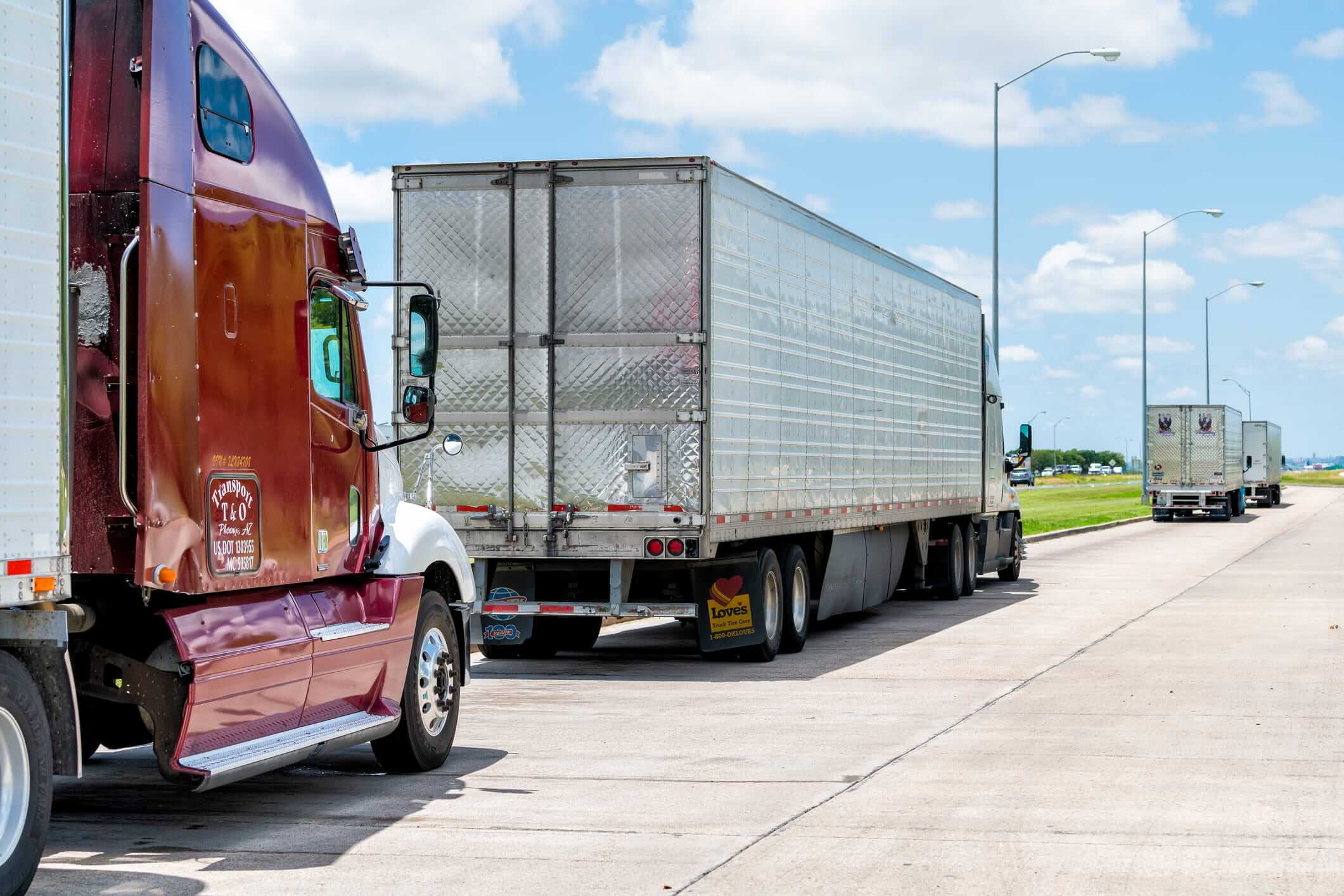
The state also supports an extensive trucking industry, with approximately 66,000 trucking companies operating in Texas. This competitive trucking environment helps ensure reliable freight movement for manufacturers, retailers, and distribution operators.
Texas workforce development programs and technical training initiatives further strengthen the logistics talent pipeline, supporting long-term industry growth.
A National Hub for Distribution and eCommerce
Texas has become one of the fastest-growing locations for distribution, eCommerce fulfillment, and logistics operations. Several factors contribute to this growth:
- Central geographic location within the United States
- Access to major interstate and rail networks
- Large industrial real estate availability
- A growing workforce supporting warehouse and logistics operations
Major companies continue to expand distribution centers in Texas to serve national markets. This trend reflects broader supply chain shifts toward regional distribution models and nearshoring strategies across North America.
According to the Governor’s Texas Economic Development & Tourism Office, the transportation and logistics sector is projected to grow 41 percent between 2022 and 2032 and could contribute more than $400 billion in GDP by 2032.
Long-Term Infrastructure Investments That Support Business Expansion
Texas continues to invest heavily in transportation, energy, and water infrastructure to support its rapidly growing population and industrial base.
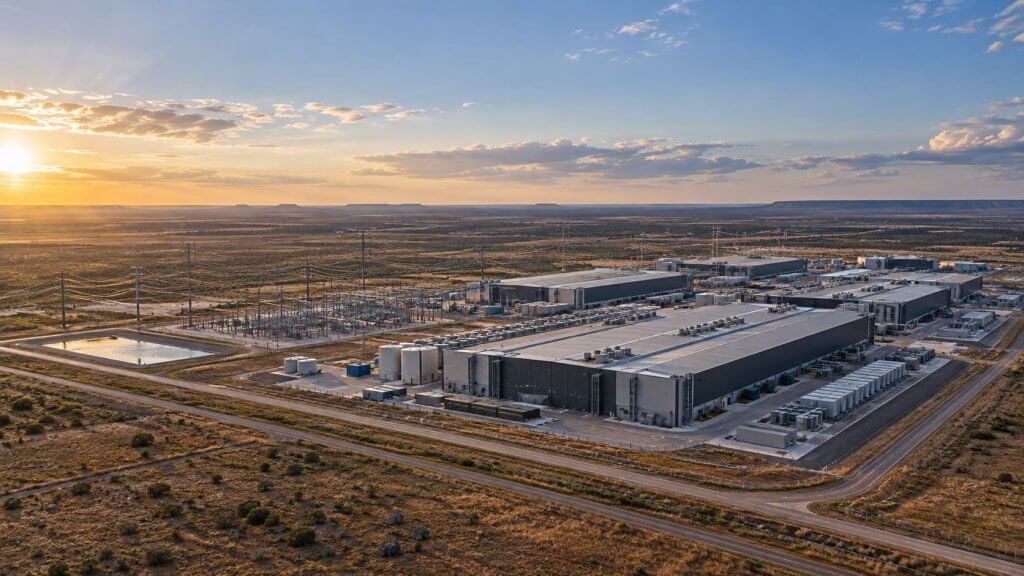
The state has committed $148 billion to transportation infrastructure improvements over the next decade, expanding highways, freight corridors, and connectivity between major economic regions. Additional investments in ports, rail connectivity, broadband infrastructure, and energy systems are designed to support emerging industries such as advanced manufacturing, semiconductors, data centers, and artificial intelligence.
This long-term approach ensures that infrastructure keeps pace with economic growth and supports reliable supply chains for businesses operating in Texas.
Companies expanding in Texas may also benefit from Texas business incentives that support capital investment, job creation, and workforce development.
Texas Infrastructure and Your Business
Texas’s transportation and logistics systems play a critical role in supporting business growth, global trade, and supply chain resilience. With extensive air, rail, road, and maritime connectivity, companies operating in Texas benefit from reliable infrastructure that allows goods, people, and capital to move efficiently across North America and global markets.
The Texas Economic Development Corporation (TxEDC) promotes Texas as a premier destination for business investment and helps companies understand the state’s competitive advantages across industries and regions. As organizations evaluate expansion opportunities, TxEDC works alongside the Governor’s Texas Economic Development & Tourism Office (EDT) and regional partners to support informed conversations about operating and growing in Texas.
Companies seeking project-specific guidance related to site selection, infrastructure considerations, incentives, and workforce resources can work directly with the Governor’s Texas Economic Development & Tourism Office. To explore opportunities across the state and connect with the appropriate economic development partners, organizations can also contact TxEDC or explore Texas regions for business to begin the conversation about expanding in Texas.