The semiconductor industry was valued at around $775 billion in 2024, and is expected to reach $1 trillion to $1.6 trillion by 2030, according to McKinsey. Texas is going to have a large piece of that action.
Texas combines large-scale semiconductor manufacturing, chip design and R&D with a growing network of fabs, suppliers, equipment manufacturers and materials companies. That ecosystem serves industries including AI, automotive, defense, energy, medical devices, data centers, and advanced electronics.
Texas has also led the nation in semiconductor exports for 15 consecutive years, according to the Office of the Governor, and the industry employs more than 51,500 Texans. That combination makes Texas a practical location for chipmakers, suppliers, and investors looking for scale, market access, and long-term growth.
Texas semiconductor manufacturing is anchored by legacy chip production and new CHIPS and Science Act-era investment. North Texas, Central Texas, and other regions support fabs, suppliers, equipment, materials, engineering, design, and downstream users.
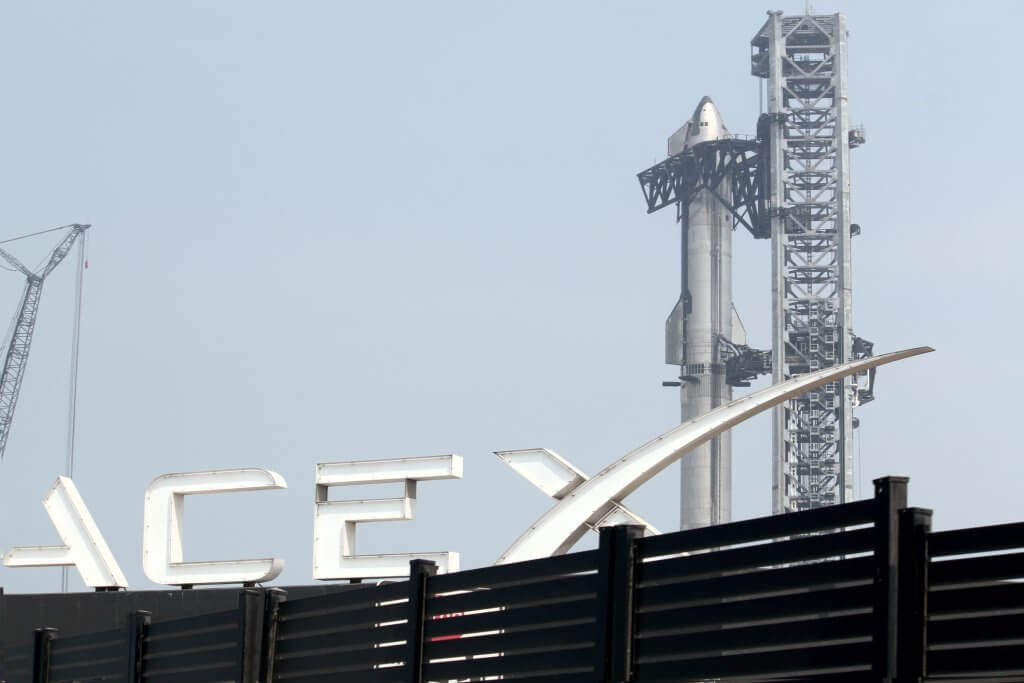
That momentum now includes SpaceX’s Terafab project in Grimes County. In August 2026, the Office of the Governor announced that the first phase of the Terafab project represents more than $16.8 billion in capital investment and is expected to create 3,000 new jobs, adding another large-scale semiconductor manufacturing project to Texas’ statewide growth story.
The industry also connects directly to the Texas advanced manufacturing sector and the Texas technology sector. For site selectors, that matters because semiconductor projects do not operate in isolation. They need energy, infrastructure, technical labor, construction capacity, suppliers, customers, and research partners.

Texas Instruments announced plans to invest more than $60 billion across seven U.S. fabs in Texas and Utah, including up to $40 billion for four fabs in Sherman. Their first new Sherman fab, SM1, began initial production in 2025, making the Sherman-Denison region one of the country’s most visible locations for foundational chip production.

Samsung Austin Semiconductor gathered up to $4.745 billion in direct funding to support Taylor fabs, R&D, and Austin expansion, plus up to $900 million for Texas Instruments' Sherman project, according to a Federal CHIPS for America materials list.

Texas has led the nation in semiconductor exports for 15 consecutive years, according to the Office of the Governor.

The Texas semiconductor industry employs more than 51,500 Texans across fabs, suppliers, equipment, materials, and engineering roles.
Growth is extending beyond major fabs. Recent Texas projects include investments in semiconductor materials, wafers, probe cards, equipment services and optical semiconductor manufacturing, expanding the in-state supply chain around the state’s major production clusters.
Texas Instruments announced plans to invest more than $60 billion across seven U.S. fabs in Texas and Utah, including up to $40 billion for four fabs in Sherman. Their first new Sherman fab, SM1, began initial production in 2025, making the Sherman-Denison region one of the country’s most visible locations for foundational chip production.
Samsung Electronics was awarded up to $4.745 billion in direct CHIPS Act funding to support its Central Texas semiconductor investments, including leading-edge logic fabs and an R&D fab in Taylor and expansion of its existing Austin facility.
Separately, Texas Instruments’ Sherman project was awarded up to $900 million in direct CHIPS funding as part of the company’s broader $1.61 billion federal award for projects in Texas and Utah, while the aforementioned SpaceX’s Terafab project in Grimes County represents more than $16.8 billion in capital investment in its first phase alone.
Texas is also supporting the sector through the Texas CHIPS Act, which established the Texas Semiconductor Innovation Fund and Texas Semiconductor Innovation Consortium. The fund is designed to encourage semiconductor research, design, manufacturing, and expansion in Texas, and state materials note that TSIF appropriations totaled approximately $948 million after additional funding in 2025.
As semiconductor facilities ramp, workforce alignment becomes a core site selection factor. Companies need regions that can support hiring before launch and continue training workers as tools, processes, and production requirements evolve. Texas delivers.
The Texas chip industry depends on:
Texas supports that pipeline through universities, community colleges, technical programs and employer partnerships. New investments include the Texas A&M Semiconductor Institute and a semiconductor training cleanroom at UT Dallas, expanding both advanced research capacity and hands-on workforce preparation.
For semiconductor companies evaluating U.S. expansion, Texas offers an established manufacturing base, major research institutions, a deep technical workforce and access to customers across AI, data centers, aerospace, automotive, energy and advanced manufacturing. Its semiconductor clusters are also being reinforced by new investment across the supply chain, from materials and equipment to chip design and high-volume fabrication.
TxEDC helps companies understand Texas’ semiconductor advantages and connect with appropriate state and regional resources. For project-specific relocation, site selection, incentives, workforce, or expansion questions, companies should work directly with The Office of the Governor’s Texas Economic Development & Tourism Office.